Proclaiming hope across borders: Churches learn together in Johannesburg
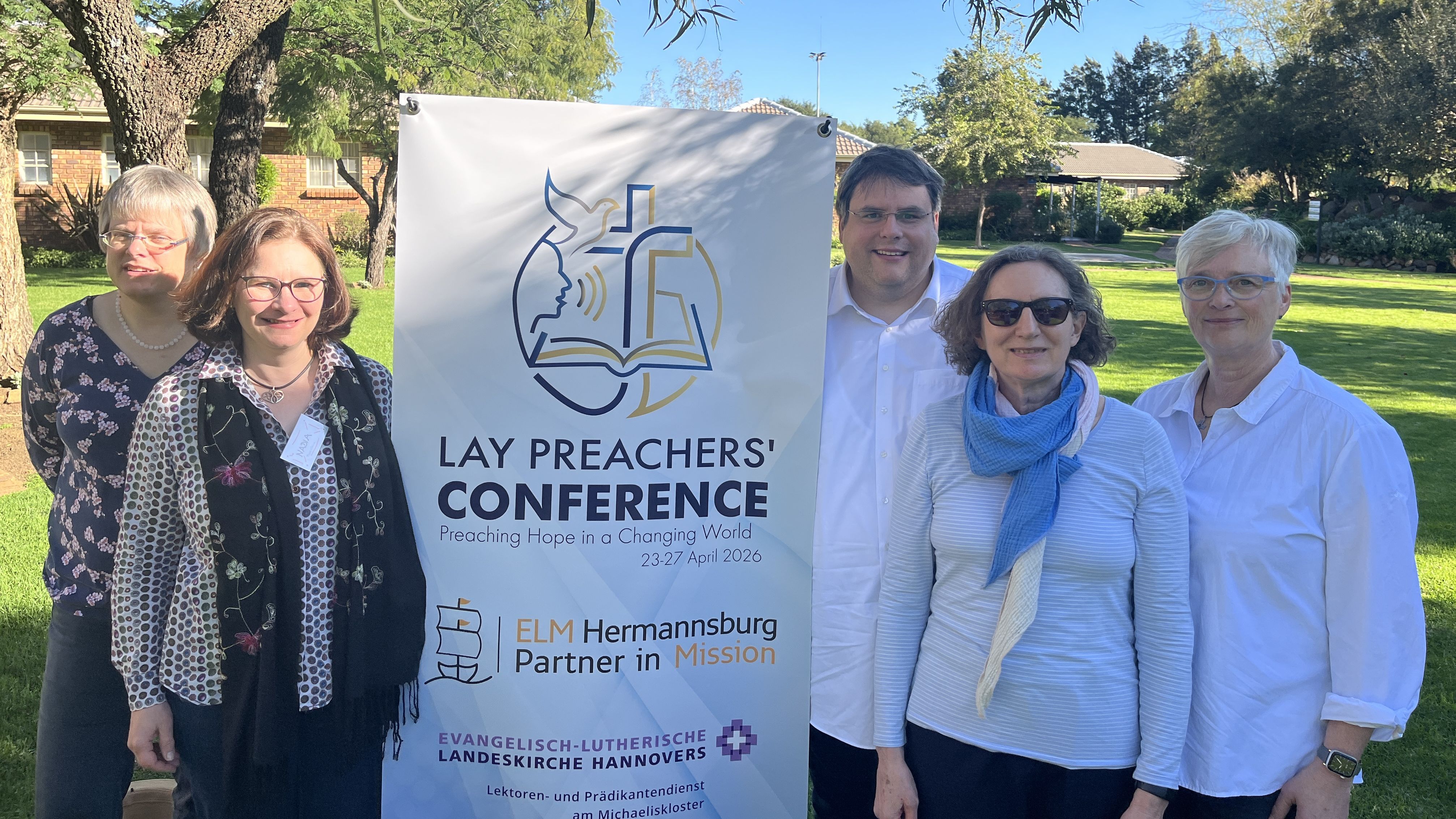
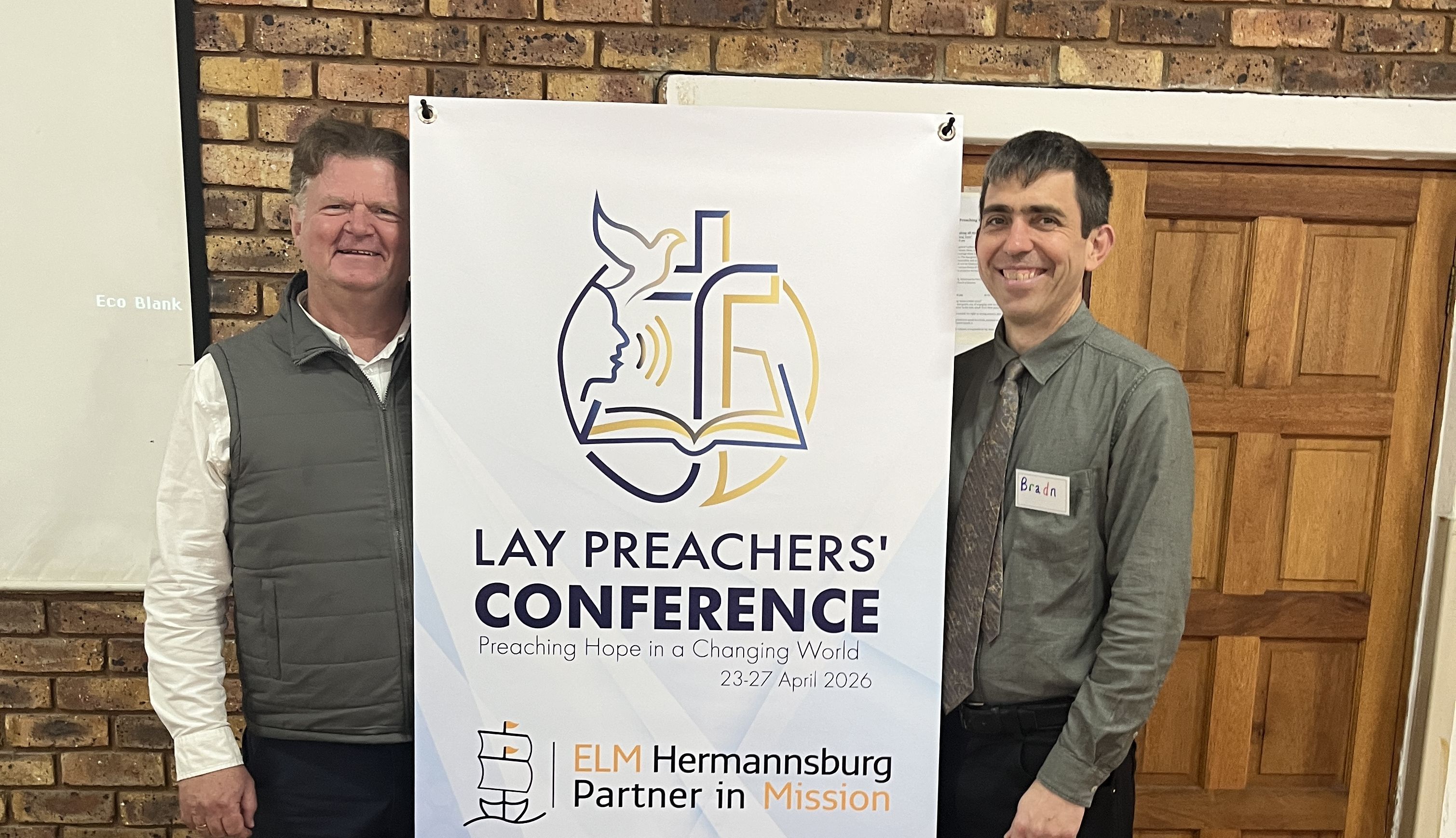
In April 2026, representatives of Lutheran churches from Germany and Southern Africa met in Johannesburg for the ELM conference "Preaching Hope in a Changing World".
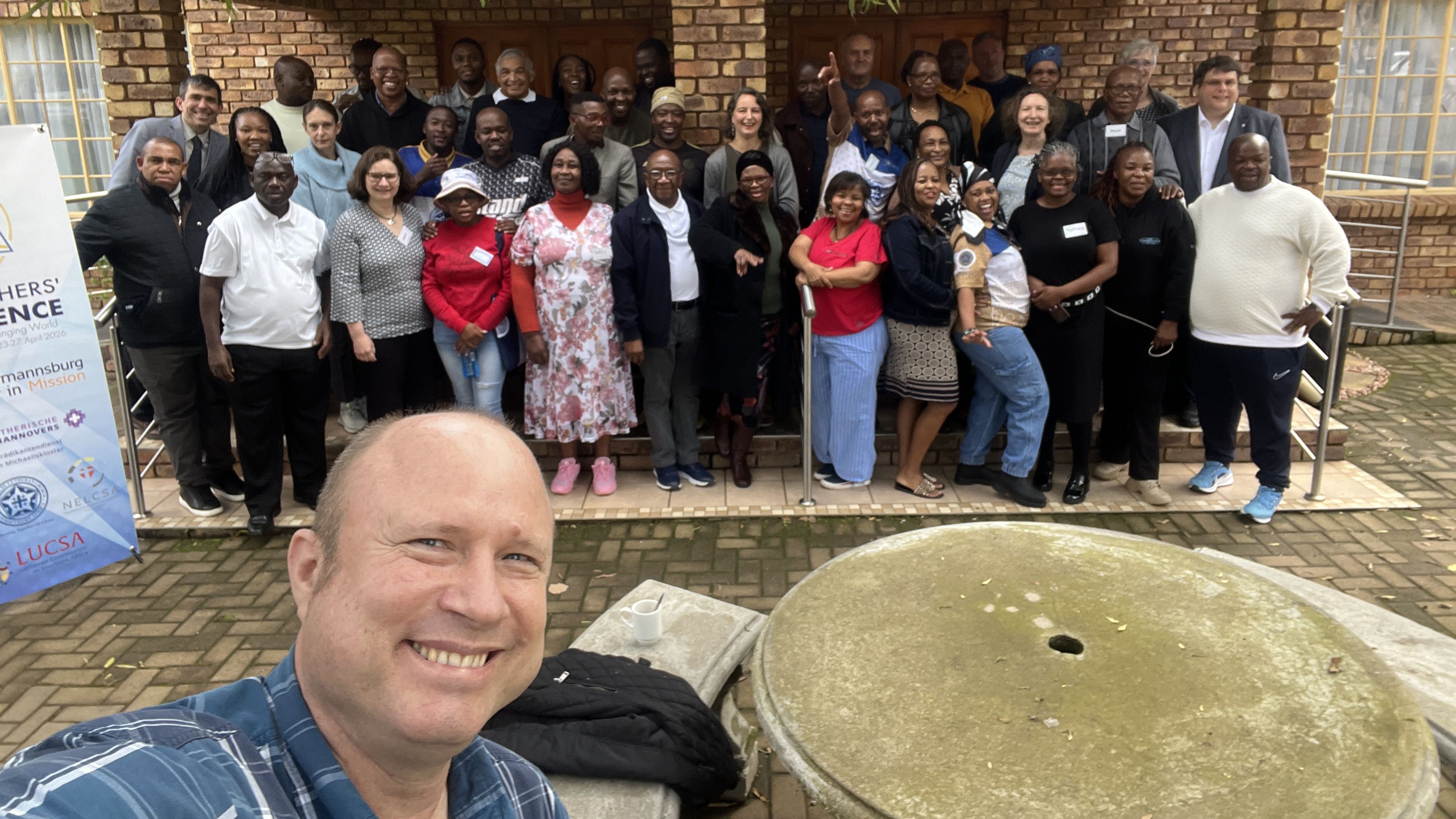
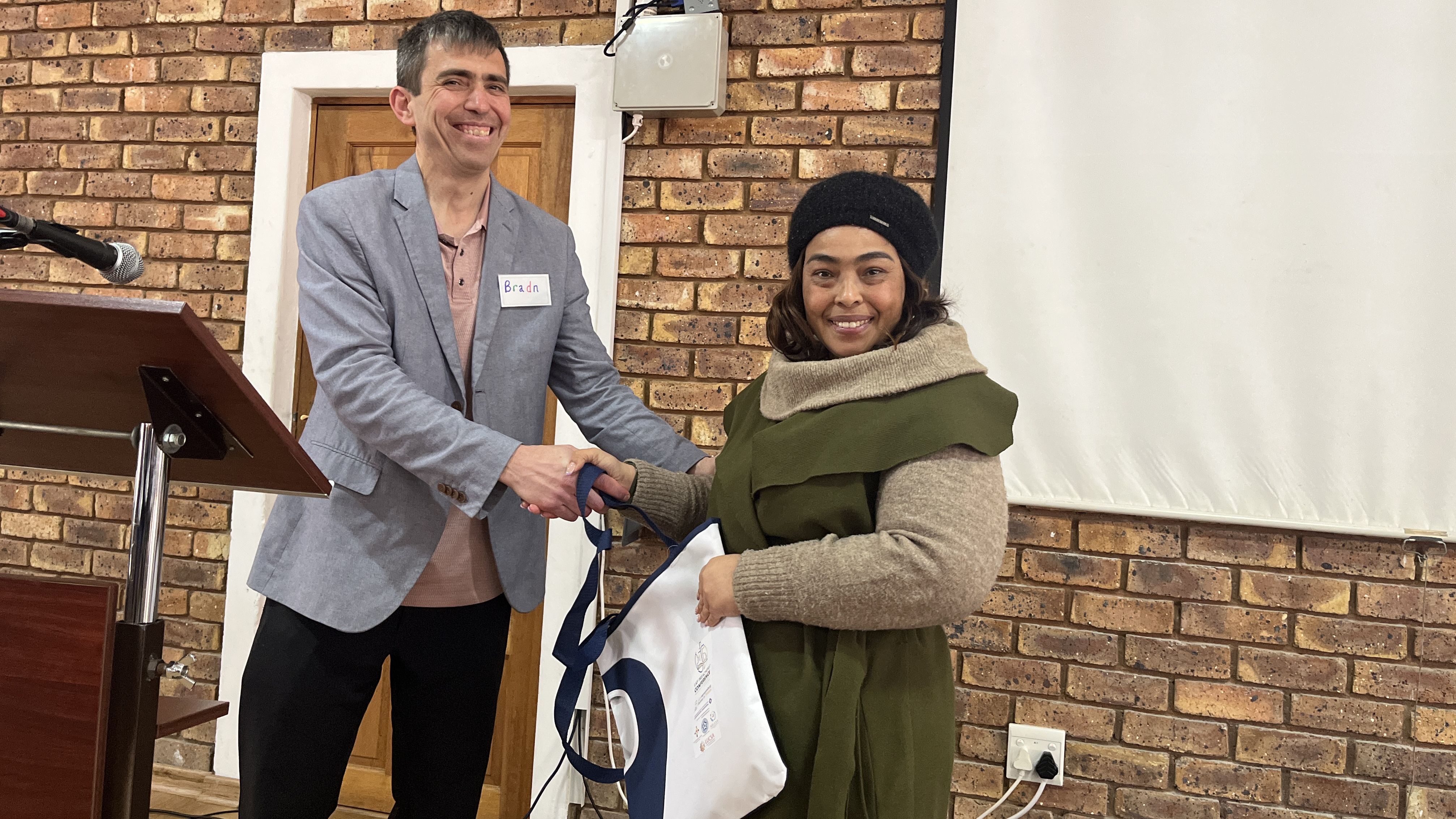
The conference took place at the eMseni Christian Centre in Benoni and brought together around 50 participants, including preachers, lay preachers, trainers, church leaders and theological educators from the Evangelical Lutheran Church in Southern Africa.Lutheran Church in Southern Africa (ELCSA), the Evangelical Lutheran Church in Southern Africa (ELCSA (Cape)), the North Eastern Evangelical Lutheran Church in South Africa (NELCSA), the Evangelical Lutheran Church of Hanover and the Lutheran Community in Southern Africa (LUCSA).
The meeting was preceded by months of online preparations and planning between ELM and its partner churches, including the Regional Church of Hanover. What began as a conversation about theological education and lay preaching developed into a broader exchange about leadership, participation and the future of church life in different church contexts.
A central theme throughout the conference was the role of preachers and lay preachers within the church. In many regions, especially in rural areas, pastors are responsible for large geographical areas and cannot always be present in every parish. Predicants and lay preachers therefore play an important role in helping congregations to continue worship life, Bible reflection and ministry within their communities.
Participants reported how differently lay preaching is handled in different churches. Some churches have formal training programmes with structured curricula and certification processes, while others use flexible local workshops led by pastors or regional leaders. Rather than promoting a single model, the conference created space for churches to learn from each other and share their respective strengths and realities.
For many participants, an important realisation was that lay preaching should not only be understood as a reaction to a lack of pastors. Rather, it can also be seen as an expression of an active church life in which ordinary church members are encouraged to participate fully in the proclamation of the gospel. In some South African church contexts, members begin to speak publicly about faith at a young age through Sunday school, youth work and participation in worship, creating a strong culture of confidence and commitment.
At the same time, the conference also emphasised the importance of theological responsibility and depth. Participants reflected together on how churches can support preachers and lay preachers to share the gospel faithfully and in a way that brings hope, freedom and encouragement to their communities.
The conference programme combined theological reflection with practical workshops and discussions. Topics included Lutheran preaching, biblical understanding of hope, preaching in contemporary South Africa, worship practice and intercultural sermon preparation. The participants also visited churches in Johannesburg to experience different forms of worship and pastoral care first-hand.
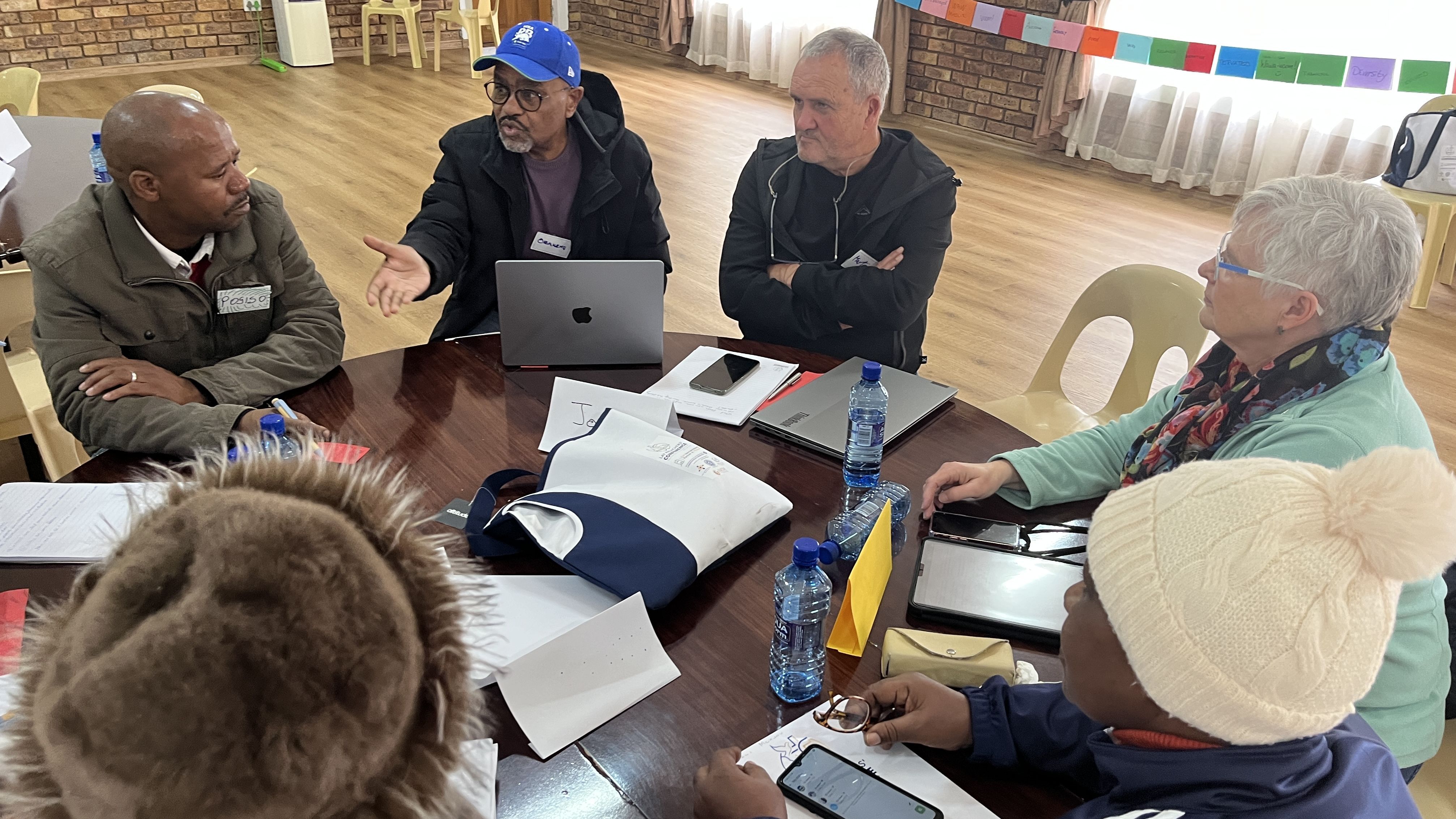
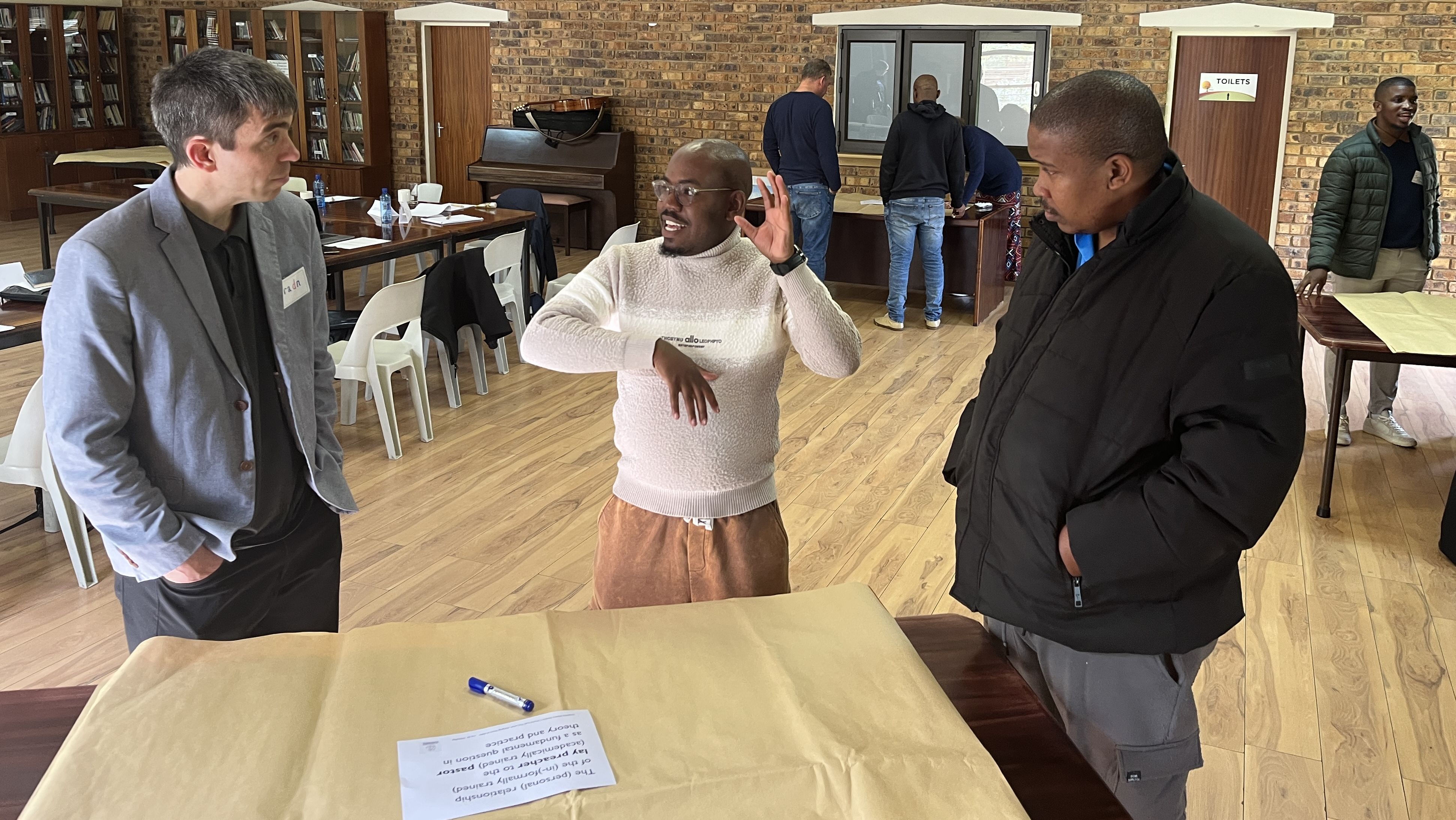
Beyond the lectures and workshops, many participants described the atmosphere of openness and trust as one of the most significant aspects of the conference. Interactive methods, small group discussions and joint reflection helped people from different cultural and church backgrounds to engage in honest dialogue and learn from each other.
The conference also opened up opportunities for future co-operation between churches in the LUCSA region and Germany. The ELM plans to continue supporting trainers and participants through online meetings, shared materials and future exchange programmes. It is hoped that the relationships forged in Johannesburg will further strengthen the training of preachers and lay preachers and promote cooperation across denominational and cultural boundaries.
Above all, the conference showed how valuable it is when churches come together to listen, reflect and grow together. Across different histories and contexts, participants discovered a shared commitment to empowering people to proclaim hope in a changing world.
