Safe spaces for diversity in practice
Gabriele De Bona, ELM Gender International Secretary, conducted an interview with three representatives of the Lutheran Outreach Foundation in Hillbrow, South Africa, on the subject of gender justice.
Wiseman Ngobese is the director of the Lutheran Community Outreach Foundation (LCOF); Johan Robyn is a pastor and project manager; and Robert Michel was the director of the LCOF until 2025.
Gabriele De Bona: What role does gender equality play in your work?
Wiseman Ngobese: It is central. We make a conscious effort to empower women and enable them to take on leadership and strategic roles. In fact, a large proportion of our organisation consists of women, including in leadership positions. That is no coincidence. The majority of our beneficiaries are women, and we know that empowering one woman often strengthens her entire community.
Johan Robyn: Women bear the main responsibility in many households. When they become more independent and can shape their own lives, several people often benefit. That is why we focus specifically on supporting them – not as a counter-model, but as a path towards greater balance.
Gabriele De Bona: What does this leadership look like in practice?
Johan Robyn: Women are strongly represented at the second level of management within our organisation and take on strategic responsibilities. They play a key role in deciding which programmes are implemented, such as those aimed at combating gender-based violence or promoting inclusion. They also have a significant influence on important organisational decisions.
Robert Michel: Furthermore, key sites are headed by women. This development has been deliberately encouraged.
Gabriele De Bona: Was there any resistance along the way?
Robert Michel: Yes, the organisation was male-dominated for a long time. Women tended to be in support roles. The Covid period marked a turning point. Through necessary restructuring, we were able to fill leadership positions and involve women more closely.
Gabriele De Bona: You work a great deal with migrants. What gender-specific challenges do you encounter?
Wiseman Ngobese: Many women experience violence and exploitation whilst fleeing their home countries. Even after their arrival, patriarchal structures are often still in place. Independence is a new concept for many. Women often find themselves alone with their children and faced with enormous challenges.
Gabriele De Bona: How do you respond to this?
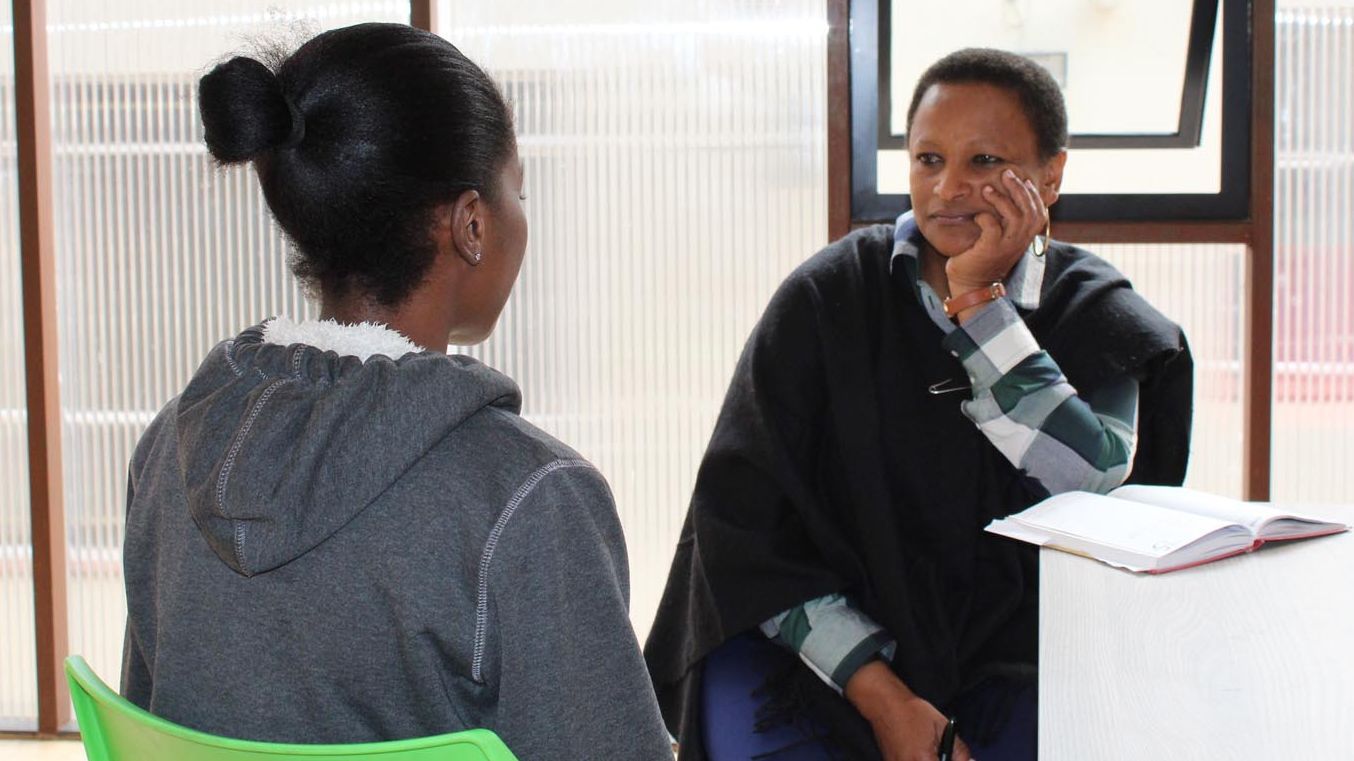
Johan Robyn: These issues are integrated into all our programmes. We analyse the situation on the ground and develop tailored measures. These include awareness-raising campaigns, psychosocial support, counselling and trauma-informed care. It is also important that we actively involve men.
Gabriele De Bona: What role does education play, particularly for boys?
Robert Michel: A very significant one. Many women come from backgrounds where they have very few rights. We explain that equality applies in South Africa and that these rights can also be claimed.
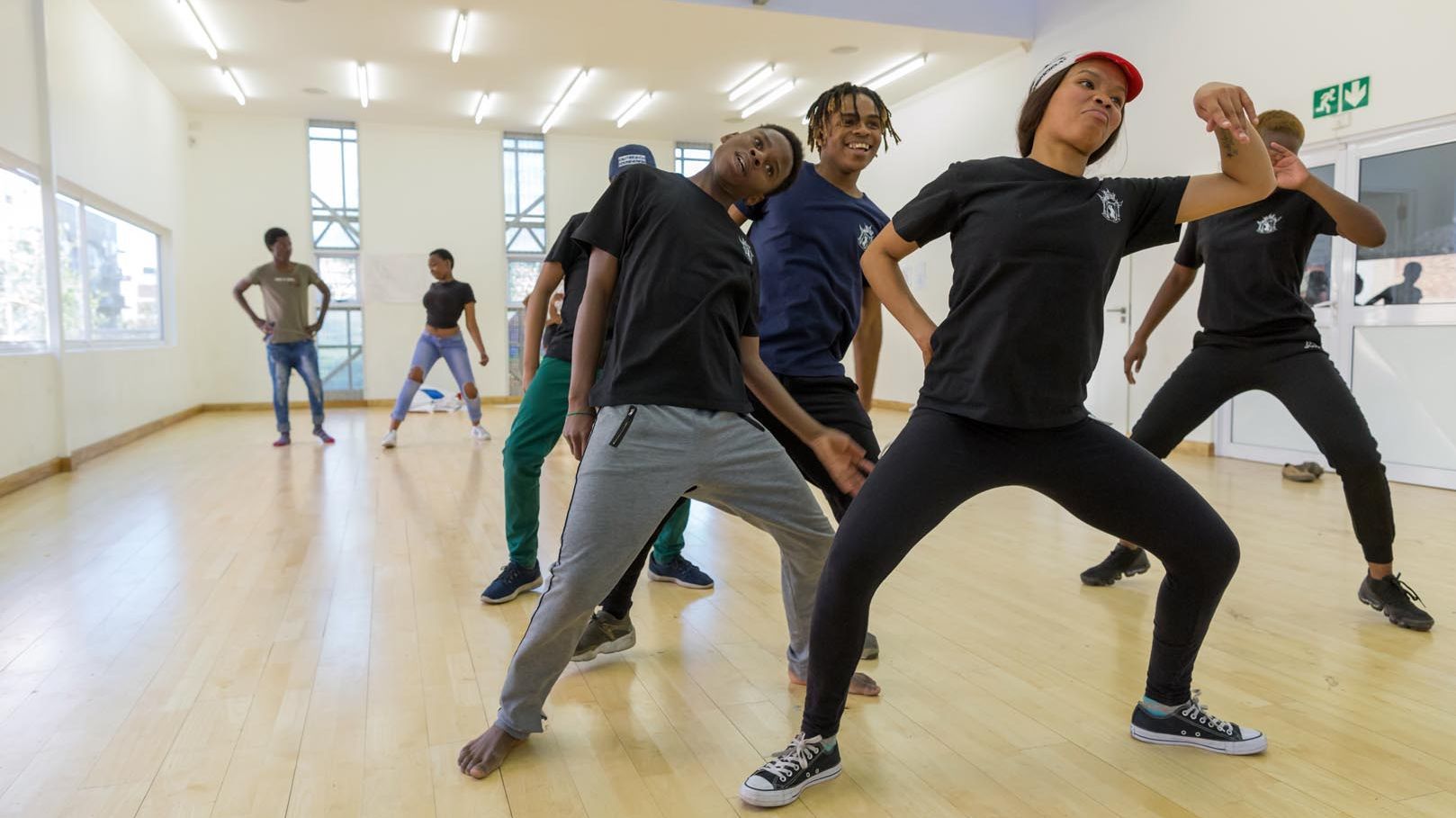
Wiseman Ngobese: At the same time, we work with young people in schools. There, we encourage dialogue on an equal footing. It is particularly effective when girls themselves articulate the behaviour they would like to see from boys. Our task is to facilitate this exchange.
Gabriele De Bona: How do you deal with a lack of family structures?
Johan Robyn: Traditional family models are not a reality in many communities. Instead, we create spaces where young people can develop new ways of relating to one another. Equality emerges through dialogue, not through external impositions.
Wiseman Ngobese: It’s important not to judge. Men, too, are often under pressure and act within the context of their own reality. We don’t want to assign blame, but rather to open up new perspectives, especially for the younger generation.
Gabriele De Bona: How do you create safe spaces for diversity?
Wiseman Ngobese: Our guiding principle is: ‘Treat people as people.’ Background, gender or sexual identity are not the focus. Everyone lives by this principle, regardless of their position or role.
Johan Robyn: It’s less about physical spaces and more about putting this into practice. People should be able to find their own way, and we support them along the way.
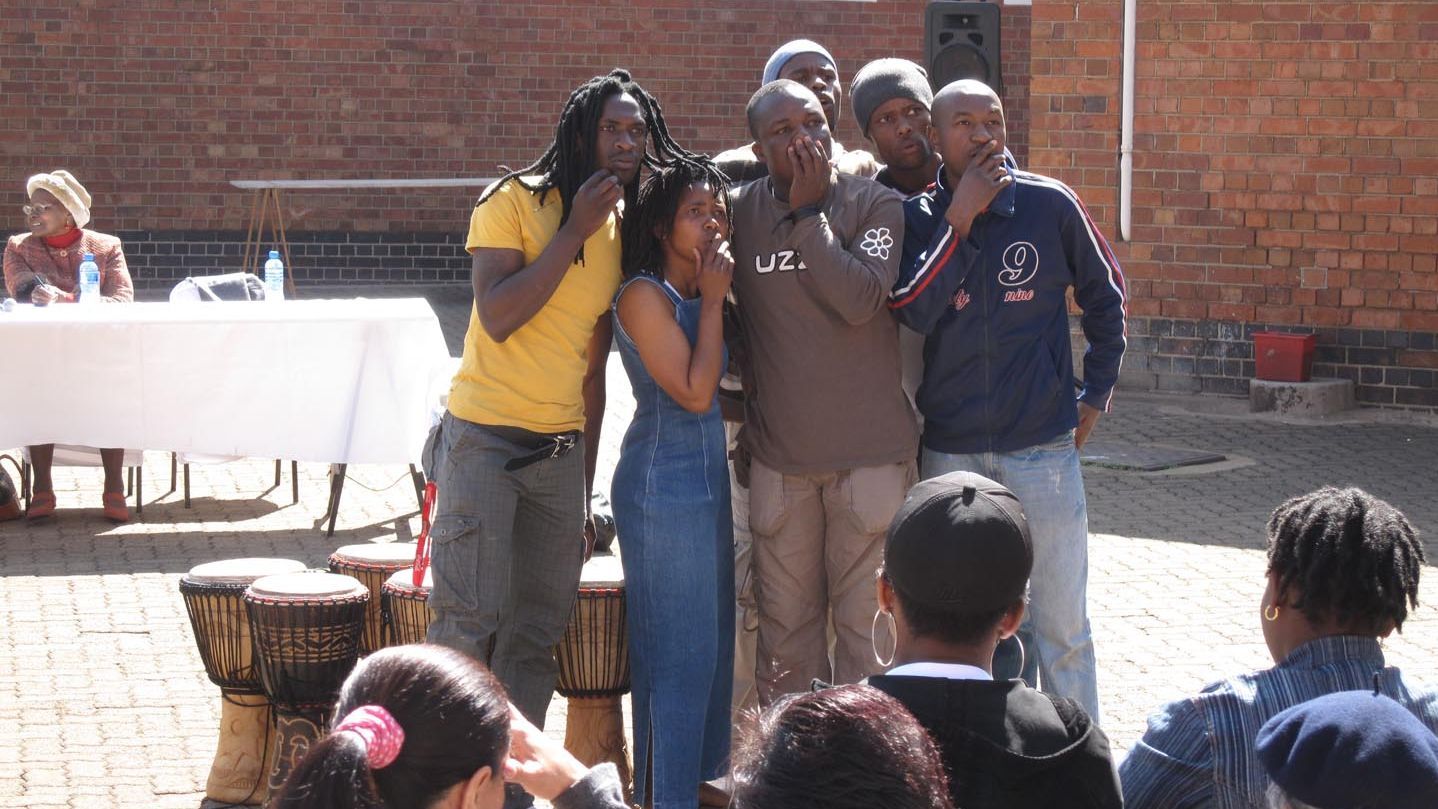
Wiseman Ngobese: In our projects, we deliberately bring different groups together, including those who would otherwise rarely meet. This has given rise to our ‘Fruit Basket’ approach: diversity within a shared space. It is crucial that everyone is treated equally and with respect.
Gabriele De Bona: What form of gender inequality would you particularly like to change?
Wiseman Ngobese: New injustices often arise when problems are solved in a one-sided way. I’d like to see approaches that include everyone: women, men and LGBTQ people together.
Robert Michel: For me, sexualised violence is the main focus. Many women have endured extreme experiences. This cannot be allowed to continue.
Johan Robyn: I see a fundamental problem in outdated role models that have been shaped by social systems. We need new, more inclusive ideas about the roles people can take on. This change is already beginning, particularly amongst young people. Our task is to make them visible and to empower them.
